

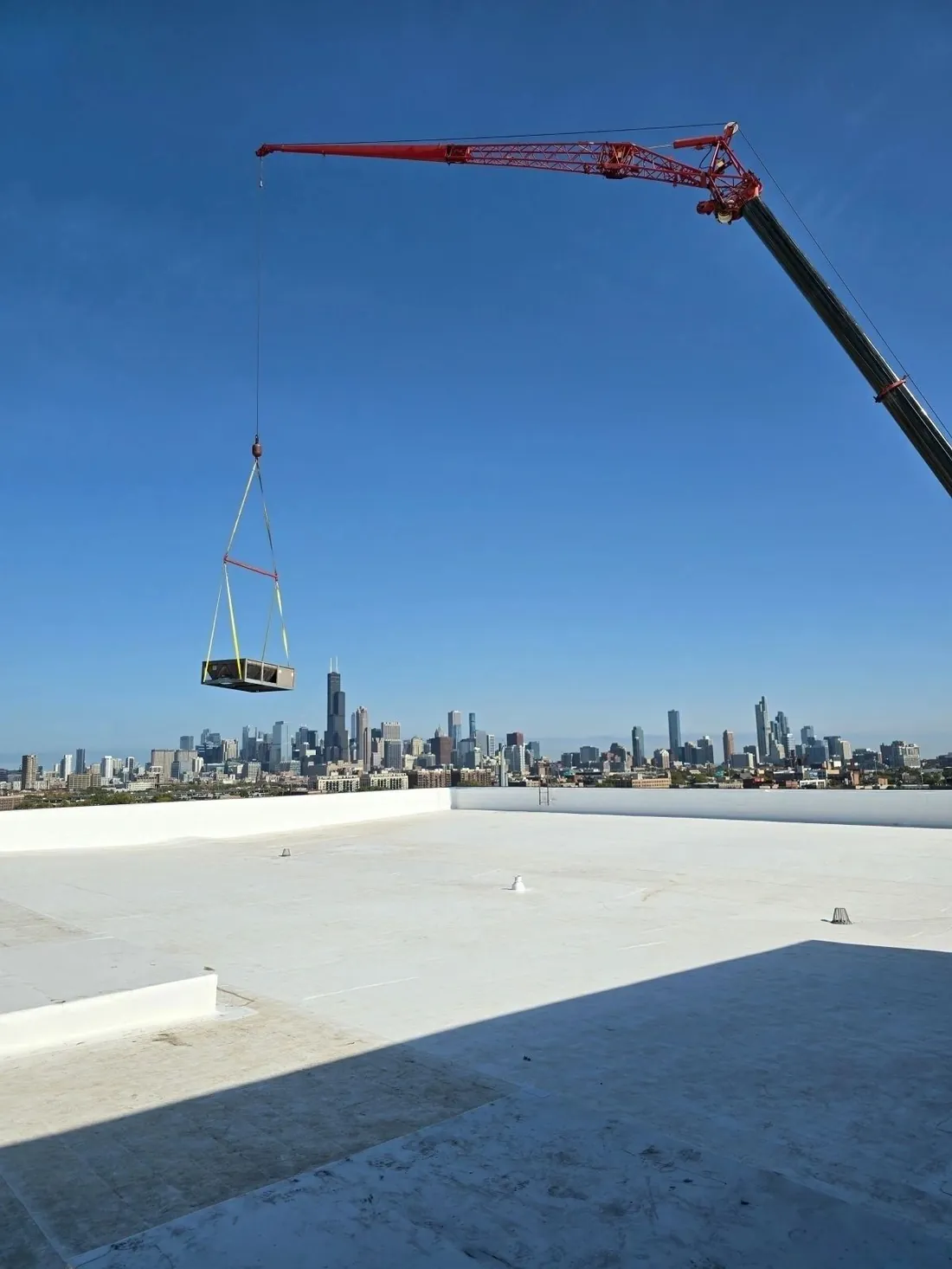
SCHEDEquipment schedule
Every system on the roof, and below it.
At Velocity HVAC-R, we are dedicated to delivering top-quality commercial HVAC services and solutions. From one rooftop unit to a central plant, here’s the equipment we troubleshoot, repair, replace and maintain.
JOBFrom the job file
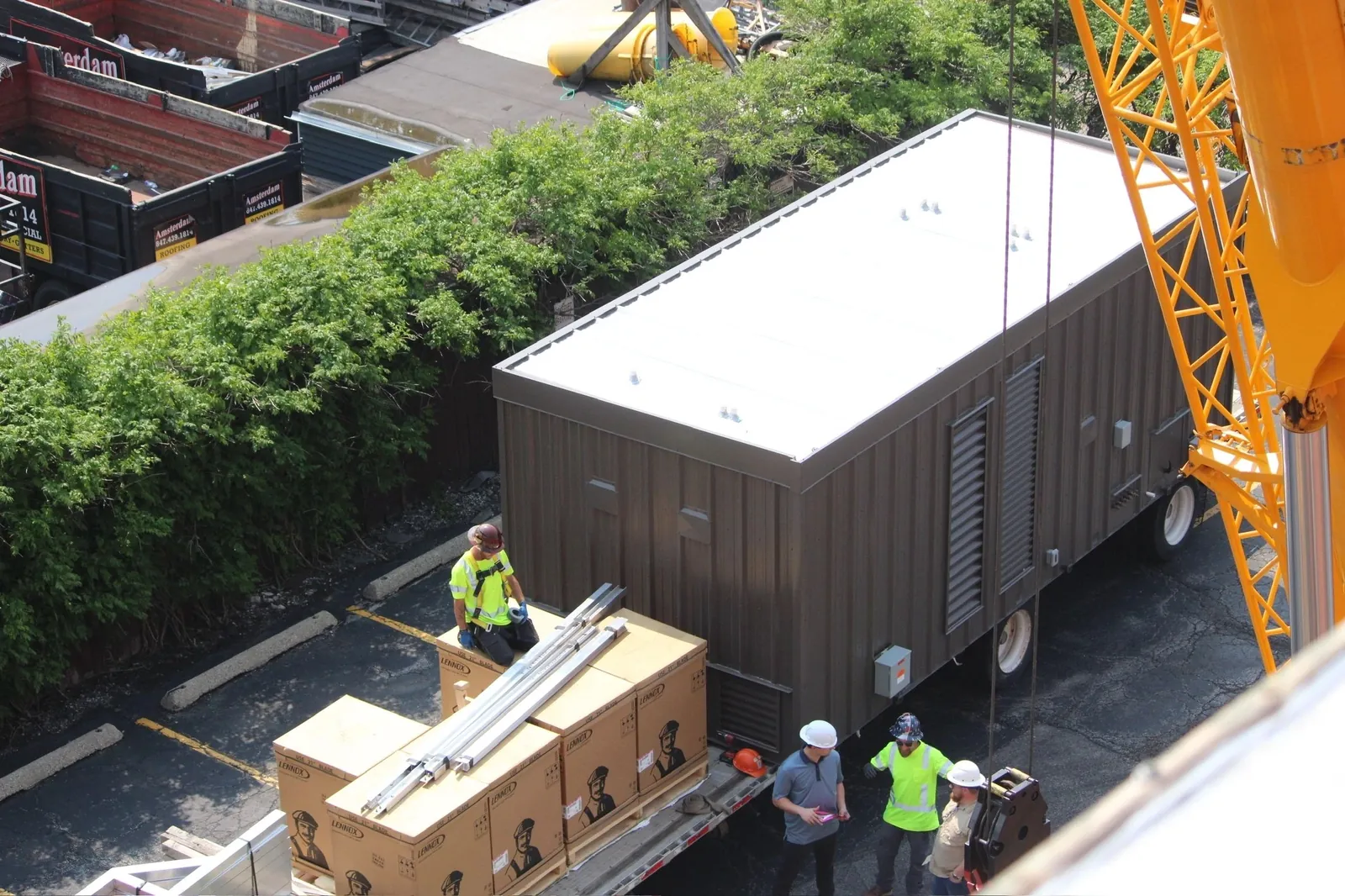
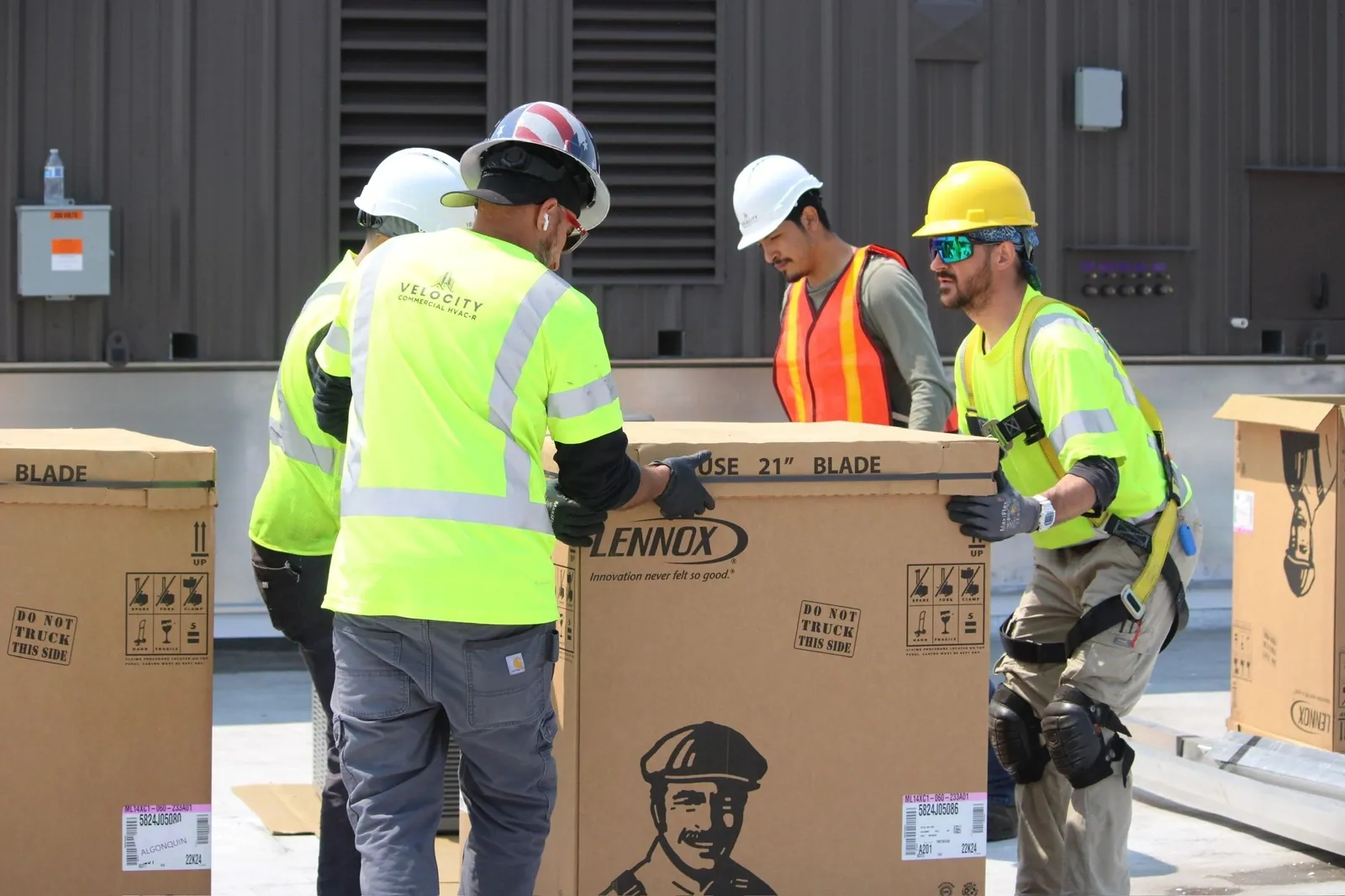
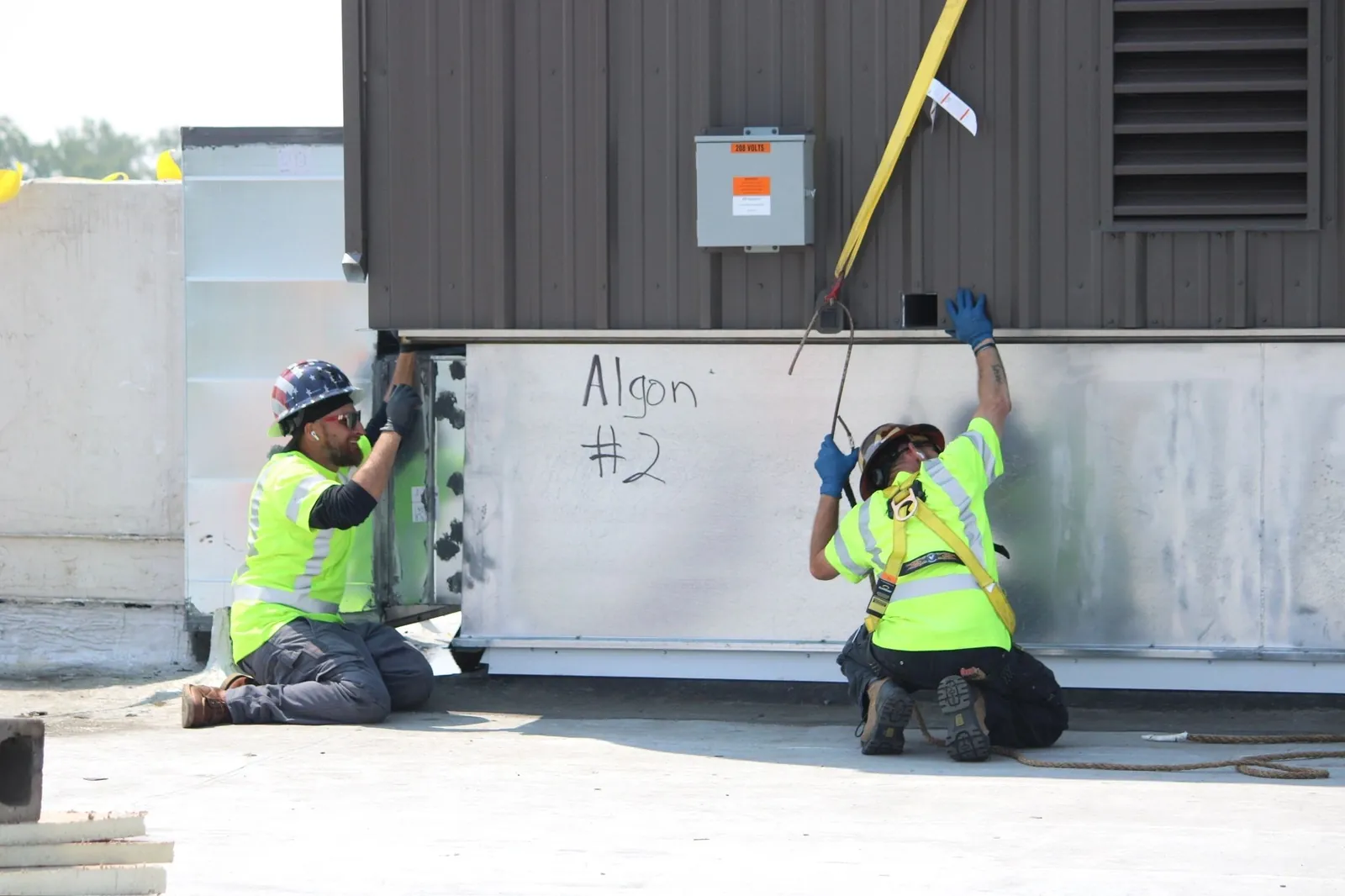
Hard hats, harnesses and a crane on the schedule.
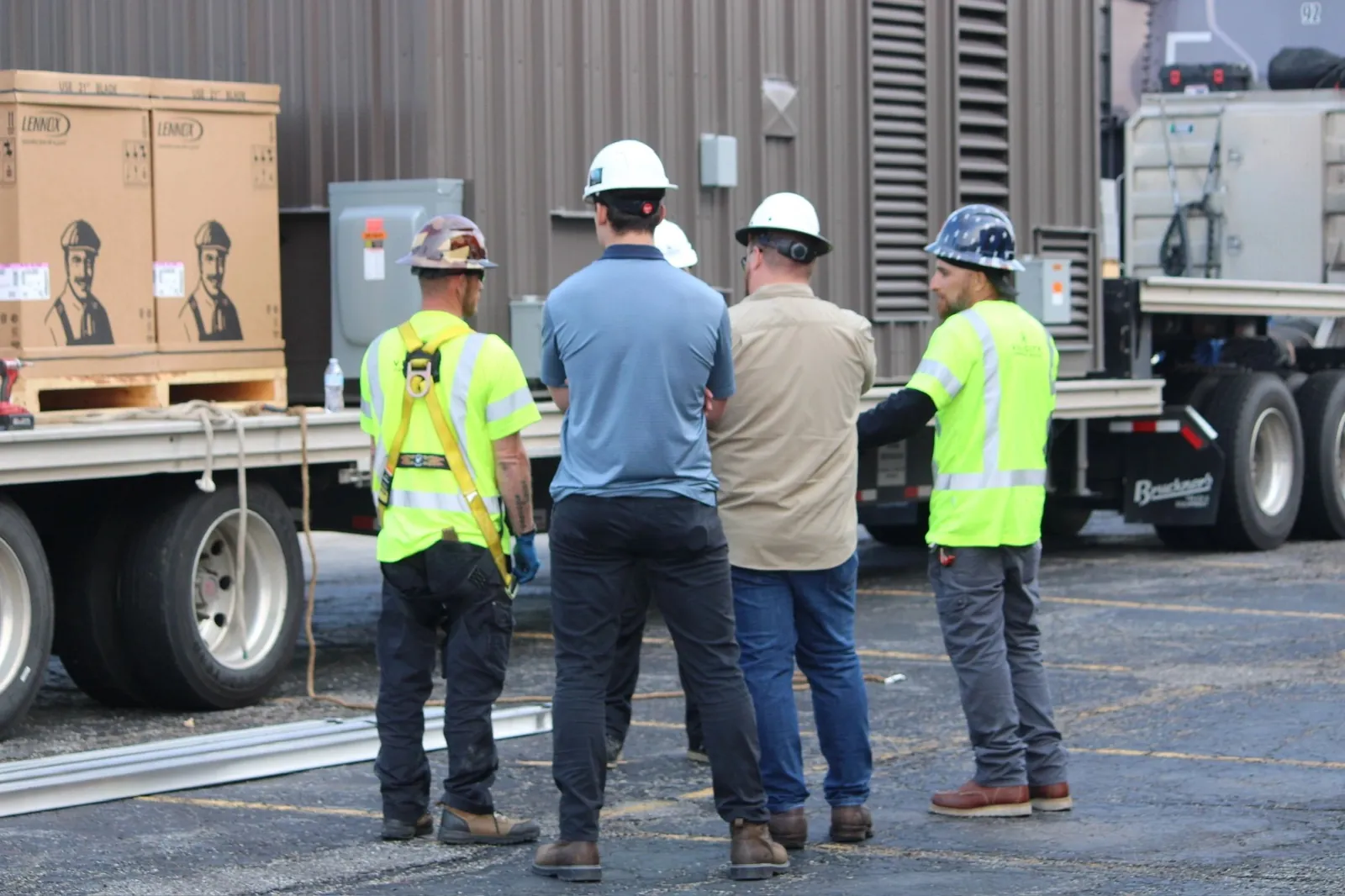
Real work by the Velocity HVAC-R crew: equipment set by crane, rigged and landed on commercial roofs, with the crew in hard hats, harnesses and Velocity hi-vis.
SPECHow we work
Clear answers. Honest maintenance. A record of every visit.
With over 20 years of industry experience, our team is committed to providing honest, reliable, and expert customer service for all your commercial HVAC repair and maintenance needs.
- 01
Clear explanations
“After diagnosis, we provide clear explanations and effective solutions tailored to your needs.”
- 02
Honest, cost-effective maintenance
“Our team is committed to honest service, cost-effective maintenance plans, and your complete satisfaction.”
- 03
A report every visit
“Detailed Report with every PM performed.” You see what was checked, what was found and what comes next.
- 04
One team with the other trades
“We collaborate closely with other commercial trades—including BAS, electrical, plumbing, carpentry, and test and balance teams.”

QAOur guarantee, in our words
“Our team is committed to honest service, cost-effective maintenance plans, and your complete satisfaction. Backed by skilled technicians and outstanding customer support, we guarantee quality workmanship and reliable results on every project.”
Velocity HVAC-R

“At Velocity HVAC-R, we work wholeheartedly for the Lord, delivering exceptional commercial and industrial HVAC-R services and solutions with integrity, excellence, and a commitment to serving others well.”
From Velocity HVAC-R’s profile on LocateFaith
WXLocal knowledge
Built for polar-vortex Januarys and muggy Julys.
Chicago’s northwest suburbs ask HVAC-R equipment to do two opposite jobs in one year. Sub-zero cold snaps freeze coils, trip freeze-stats and push boilers and make-up air to their limits; humid summer afternoons load up rooftop units, chillers and refrigeration at the same moment everyone else needs service.
Maintenance timed to the seasons, and equipment set up for both extremes, is what keeps a building off the emergency list.
- Freeze protectionEconomizers that close tight, freeze-stats that work and glycol or heat where coils need it.
- Snow at the intakesOutside-air hoods, condensers and flues kept clear through winter.
- Summer capacityClean condenser coils before cottonwood and July heat arrive.
- Boiler seasonBurners, controls and hydronic loops checked before the first cold week.
SEQSequence of operations
Four steps from the call to the record.
Call 630-439-5958 or send the details online. Nameplate photos and alarm codes help us show up ready.
630-439-5958- 01
Call or send the details
Tell us the building, the equipment and what it’s doing. Photos of nameplates and alarm screens help.
- 02
Diagnosis on site
A technician troubleshoots the system, not just the symptom.
- 03
A clear explanation
What failed, why, and your options for repair or replacement, in plain words.
- 04
The fix, and the record
Work done to code, with a written record of what we did and what to watch.
AREAService area
Schaumburg and the northwest suburbs.
Velocity HVAC-R is based in Schaumburg and serves commercial and industrial buildings across Chicago’s northwest suburbs, from the I-90 office corridor and the industrial parks around O’Hare to DuPage County, the Fox Valley edge and the North Shore.
- Cook County · 60173, 60193, 60194SchaumburgHome base
- Cook County · 60007Elk Grove VillageIndustrial northwest
- Cook County · 60169, 60192Hoffman EstatesWest along I-90
- Cook County · 60004, 60005Arlington HeightsNorthwest Cook
- DuPage County · 60143ItascaDuPage County
- Cook County · 60016, 60018Des PlainesO’Hare’s front door
Q&AStraight answers
Questions facility managers ask us.
Rooftop units, boilers, chillers, refrigerant rules, VAV and BACnet, permits and Illinois licensing: 36 answers written for the people who run buildings.
All 36 answersWater is dripping from the ceiling under a rooftop unit. Is that HVAC or the roof?
It can be either. On a rooftop unit, the usual HVAC causes are a clogged condensate drain, a cracked drain pan, a failed curb seal or a duct connection leaking, especially in humid summer weather.
Turn the unit off at the thermostat or BAS if water is near lights or electrical equipment, and call. We check the unit, drain and curb first and tell you plainly if it’s a roofing issue instead.
How long does a commercial rooftop unit usually last?
Commonly 15 to 20 years, but the range is wide. Maintenance, run hours, corrosive industrial air and how well the unit was sized all move that number.
Age alone isn’t a reason to replace. Repair history, refrigerant type, parts availability and efficiency matter more. A maintenance report that tracks condition over time is the best basis for planning.
How often should commercial HVAC equipment get preventive maintenance?
For most commercial buildings, at least twice a year: a cooling check before summer and a heating check before winter. Filters often need changing more often, and critical equipment like chillers, boilers and refrigeration may warrant quarterly or monthly visits.
ANSI/ASHRAE/ACCA Standard 180 sets out recognized minimum inspection and maintenance tasks for commercial HVAC systems and is a good basis for a plan.
Why does our boiler keep short-cycling?
Common causes are an oversized boiler for the load, poor control settings or sensor placement, low water flow, air in the system, or a failing component. Short-cycling wastes fuel and wears out burners and controls.
We troubleshoot the boiler and the hydronic loop together, because the cause is often in the piping or controls rather than the boiler itself.
What is BACnet, and why does it matter?
BACnet is an open communication protocol for building automation. It lets equipment and controllers from different manufacturers share data and be controlled from one building automation system (BAS).
BACnet integration means your BAS can see alarms, temperatures and run status for each unit and adjust schedules and setpoints, instead of someone checking equipment on the roof.